

Capturing Gen Z's Attention in the Floral Industry
Gen Z is quickly becoming a powerful consumer group, and their expectations may have you rethinking how to market, sell, and create floral experiences. Insights from the Floral Marketing Fund’s recent nationwide study of 2,000+ Gen Z consumers (ages 18-28) underscore an opportunity to use flowers as a tool for wellness, self-expression, and everyday connection. Download the full study results here.
For CalFlowers members across retail, wholesale, and grower segments, findings from
the study point to both a shift in behavior and a roadmap for growth.
Key Takeaways from the Study (TLDR)
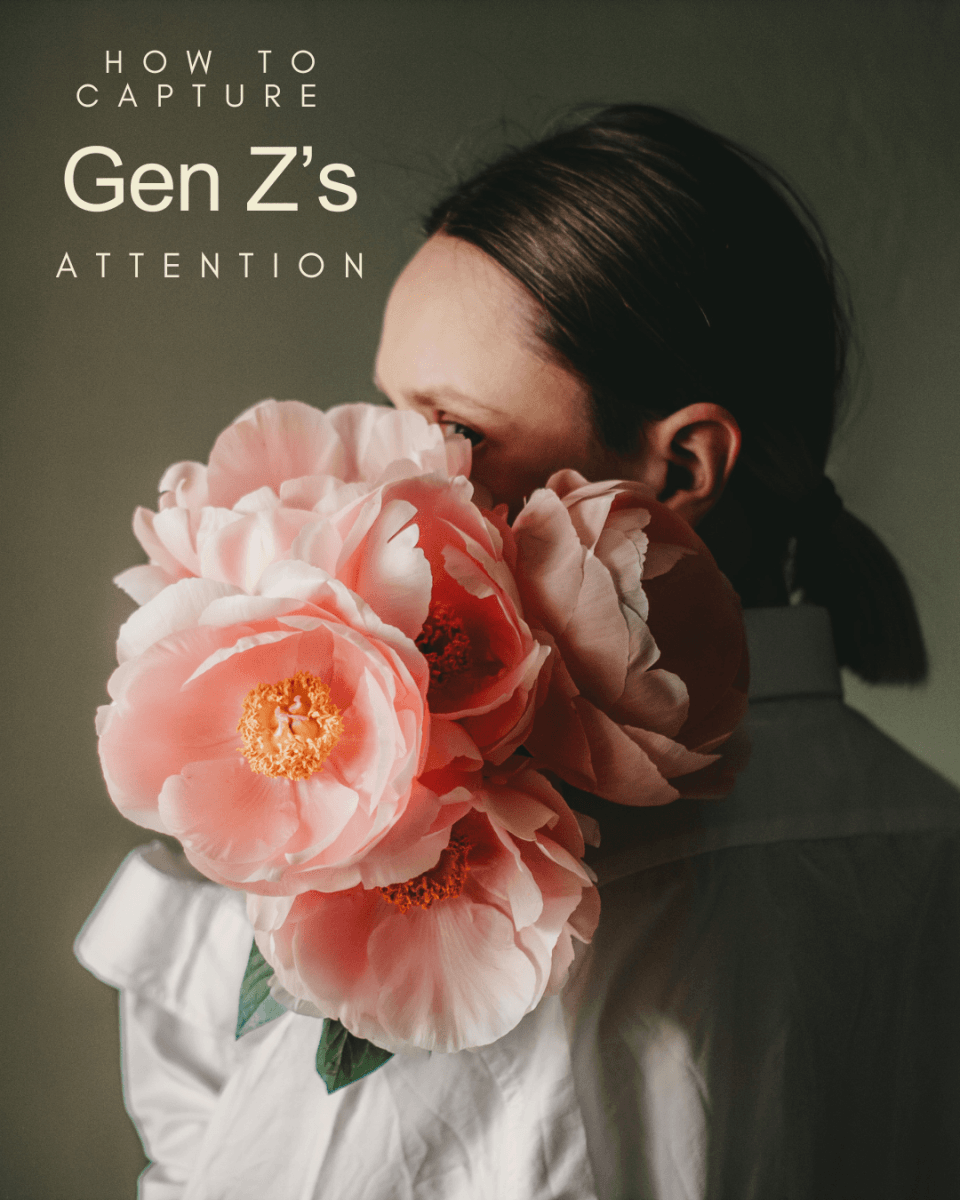
- Gen Z is digital, stressed, eco-conscious, and price-sensitive
- Flowers serve as emotional support, social connection tools, and aesthetic enhancers
- Success requires hybrid retail strategy, sustainability prioritization,
and selling the feeling, not just the product - This generation represents emerging market with growing purchasing
power (13% earn $100K+, 50% earn $50-100K) - Opportunity exists to establish weekly self-care flower purchasing
habits among 90% who report stress
Purchasing Behavior Patterns
Channel preferences:
- Physical stores: 90%+ purchased in-store in past year; grocery stores highest (trip chaining), followed by independent flower shops, then box stores
- Online: 66% purchased flowers online, showing strong e-commerce comfort
- Social media influence: 55% influenced by Instagram, TikTok, and Facebook for product discovery
Seasonal trends:
- Purchases peak in spring/summer, decline in fall/winter
- Top holidays: Mother's Day and Valentine's Day lead; Easter (33%+) and Christmas show strong traditional engagement
- Personal occasions: Birthdays most common; "thank you" purchases notably high compared to industry norms
- Spontaneous purchases: Nearly 30% "just because" and 20% self-consumption—significantly higher than traditional North American patterns
Purchase Decision Factors
Top priorities:
- Freshness: Non-negotiable for nearly 80% of participants
- Visual appeal: Instagram-worthy aesthetics critical; presentation as important as product
- Price sensitivity: 3.7 out of 5 importance—influential but not dominating; 73% motivated by promotions, 70% prioritize maximizing value, 63% compare prices across stores
- Fragrance and aesthetics: Meaningful roles in decisions
- Symbolic meaning: Less influential (only ~50% consider it important)
Sustainability & Eco-Consciousness
- Overall eco-consciousness score: 3.5 out of 5 using ECCB (Ecologically Conscious Consumer Behavior) scale
- Packaging expectations: 55% expect reusable/recyclable materials as standard
- Labeling transparency: 63% want accurate, detailed product information
- Purchasing impact: Sustainability preferences exist but won't drive 2-3x price premiums; serves as differentiator when price/quality comparable between competitors
Note: Study did not specifically address locally-grown flower preferences
Emotional Well-Being & Wellness Benefits
Mental health context:
- 80% report moderate perceived stress (scores 14-26); additional 10% report high stress
- Gen Z self-reports consistent psychological strain in daily life
Flower-related wellness effects:
- Both giving and receiving flowers positively associated with social connection and emotional well-being
- Participants show high nature connectedness scores, indicating strong affinity for nature-based experiences
- Gen Z views flowers as stress reducers and wellness tools, not just decorative items
- Equal value placed on giving vs. receiving flowers for boosting interpersonal connections
Marketing & Discovery Insights
Digital platforms:
- Instagram and TikTok dominate product discovery; function as visual search engines where trends and peer influence shape purchasing
- Facebook shows surprisingly high usage for floral information among Gen Z
- Content preferences: Value authenticity over polished messaging; effective formats include influencer collaborations, "just because" gifting campaigns, and behind-the-scenes transparency (farm-to-bouquet storytelling)
Retail experience:
- Despite digital nativity, Gen Z strongly values sensory in-store experiences (smell, touch, visual assessment) tied to freshness and quality perceptions
- Shopping as social activity: visiting stores with friends, co-creating purchase decisions adds enjoyment
- Hybrid journey: Often begins online (social media, reviews, ads) but ends with in-store purchase for physical inspection
Value Perception & Pricing Strategy
- Gen Z seeks "affordable luxury": premium, thoughtful, aesthetically elevated products within realistic budgets
- Not chasing cheapest price: Looking for best combination of quality, experience, and cost
- Informed decision-makers: Easy access to online reviews, retailer websites, social media enables quick option evaluation
Pricing recommendations:
- Offer clear good/better/best tiers with transparent value differentiators
- Use promotion strategies that protect margins (limited-time offers, cycling promotions)
- Entry points matter: Multiple price points needed, but must maintain profitability
Packaging & Presentation
- Packaging is part of the product: Gen Z grew up with premium unboxing experiences (Apple, tech products); entire YouTube category dedicated to unboxing
- Opportunities for personalization: Mix-and-match bouquets, varied wrapping options differentiate offerings
- Labeling transparency: General statements like "ethically sourced flowers" and "recycled/recyclable materials" build confidence when backed by supply chain collaboration
Industry Recommendations
Digital strategy:
- Invest in TikTok shops and Instagram checkout
- Maintain active social content cadence (minimum weekly); leverage user-generated content, reviews, testimonials
Product positioning:
- Emphasize freshness as foundation
- Position flowers as self-care and wellness tools, not just gifts
- Create rotating weekly "Feel Good Friday" or "Monday wellness" promotions to encourage habitual self-purchase
Operational approach:
- Use recyclable materials and demonstrate transparent sourcing
- Offer budget-friendly bundles with clear tier differentiation
- Coordinate with wholesalers/growers on high-availability items for promotions
- Transform retail spaces into experiential destinations: customization bars, designer events, clear personalization options
Supply chain collaboration:
- Wholesalers can differentiate by sourcing unique packaging/wrapping options unavailable elsewhere
- Coordinate messaging on ethical sourcing and sustainability throughout supply chain